
The Border Collie excels in agility competitions but can develop behavioral issues if it lacks stimulation. Nordic dogs struggle with heat, and some terriers, known for their robustness, turn out to be sensitive to rare genetic conditions. Choosing a breed depends as much on lifestyle as on the specific needs of each animal.
Ability tests and official recommendations have disrupted traditional selection, rendering some criteria obsolete. Knowledge is evolving, as are expectations. The resources available today allow for better anticipation of particularities and help avoid compatibility errors.
Choosing Your Future Companion: The Major Dog Breed Families and Their Characteristics
The vast array of dog breeds reflects centuries of human ingenuity, but also a rigor in selection to adapt to the most varied needs. Behind the term “canine companion” lie stories, personalities, and abilities. Each dog family has forged its own codes, imposing sometimes unsuspected requirements.
Here are the major breed families, each with its specifics to know before embarking on the adventure:
- Herding dogs: they shine with their quick wits and ability to work, but require regular activity and challenges to thrive.
- Companion dogs: compact, often built for the city, they are nonetheless endowed with strong personalities.
- Hunting dogs: driven by sharp instincts and almost inexhaustible energy, the pursuit is in their genes.
- Molosser dogs: impressive in size, they require careful socialization to channel their power.
The temptation to choose a dog based on a simple photo or appearance pales in comparison to the reality of daily life. An enthusiast of Nordic dogs will have to contend with their need for endurance and space, inherited from their origins. Households with children will prioritize patience and gentleness, but no breed label exempts one from consistent training. Another point of vigilance: health. Some lines, shaped for beauty or fashion, bear the downside of hereditary fragility.
To avoid unpleasant surprises, there are reliable benchmarks. The dog quiz on Amazing Pet Place provides a clear overview of profiles, requirements, and lifestyles suited to each group. Taking this test is to measure the project: living with a dog means committing for the long haul, taking responsibility for one’s choices.
Which Dog is Right for You? Questions to Ask Before Adopting
Before opening the door to a canine companion, it’s best to confront a few truths. Adopting a dog disrupts your daily life, revises your priorities, and accepts new constraints. Experienced owners know: each animal brings its share of challenges and joys, with no standard solution or promise of ease.
Several questions should guide your reflection:
- How much time will you dedicate to training? A golden retriever needs attention, patience, and consistency. The shiba inu, known for its independence, requires a subtle and tailored approach.
- Is your living space compatible? A dog for an apartment is not just a matter of size: you must anticipate its needs for play, outings, and contact.
- Does your lifestyle allow for a regular presence? Between work, travel, and leisure, the balance remains fragile. A dog left alone for too long quickly develops stress or inappropriate behaviors.
- Do you plan to invest in socialization and behavior management? Balance is built over time, well beyond heredity.
Questioning yourself before adopting is a sign of respect for the animal. Enthusiasts confirm: every dog invites you to rethink your priorities, adjust your perspective, and never underestimate the necessity of honest reflection. Passion does not replace responsibility, and clarity avoids many disappointments.
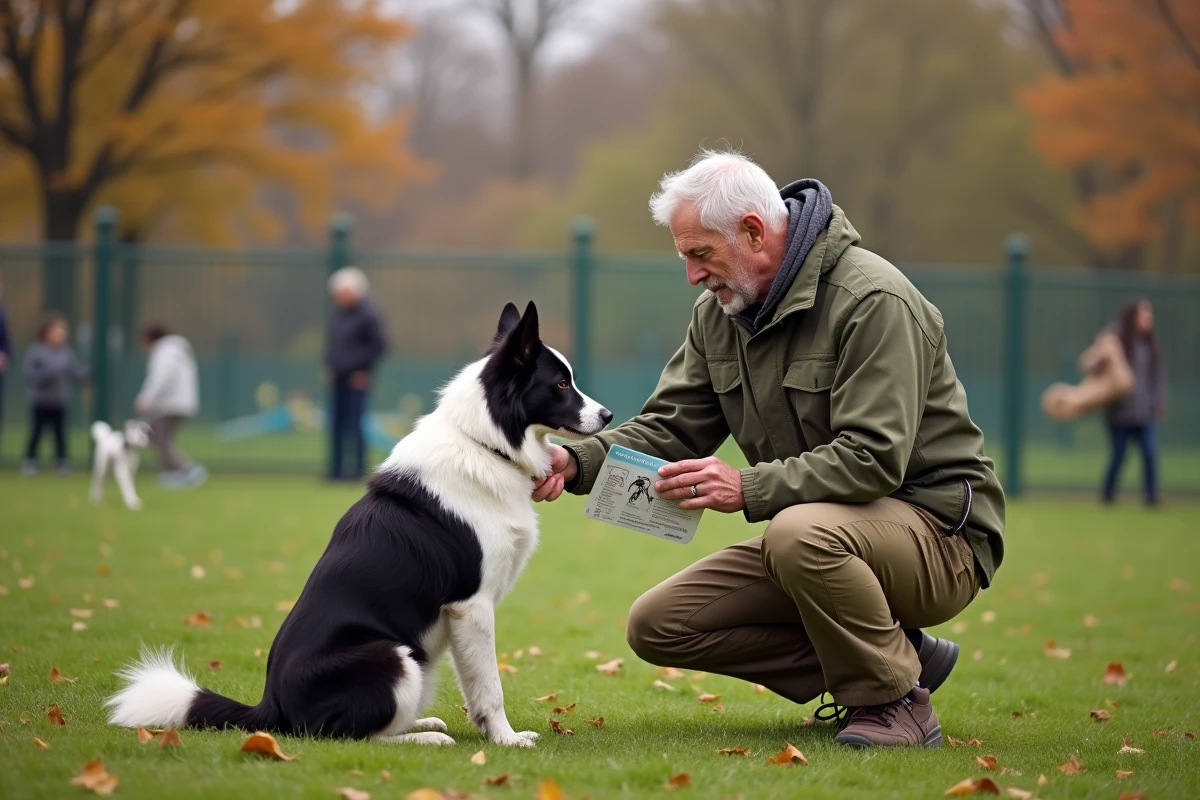
Interactive Quiz and Practical Resources to Become a Responsible Owner
To test your knowledge and detect any gaps, nothing beats testing your dog knowledge through a thoughtfully designed quiz. Here, there are no gimmicky questions: the questionnaire covers key points of behavior, health, nutrition, socialization, and even the legal basics of being a dog owner. In just a few minutes, it provides an overview of the concrete situations a owner is likely to encounter.
This ultimate quiz for future responsible owners goes far beyond simply identifying breeds. It questions daily life, the ability to prevent incidents, understand the animal, and adapt to the social environment. The results, commented on and explained, serve as a starting point for deepening, adjusting practices, or revising certain knowledge.
Resources for Improvement
To go further, several tools exist and deserve exploration:
- Educational videos presented by experienced dog trainers.
- Practical guides detailing cohabitation and specific needs according to the breed or age of the dog.
- Methodological sheets help anticipate common situations: arrival in a new home, managing absences, first aid gestures.
The site www.amazingpetplace.com gathers these resources without unnecessary jargon: here, both novices and enthusiasts find ways to advance, question, and improve their approach. All content is validated by canine professionals, with a single goal: to enable everyone to raise the level of attention and commitment towards the animal. Informing oneself, questioning, progressing: this is the true mark of a future responsible owner.