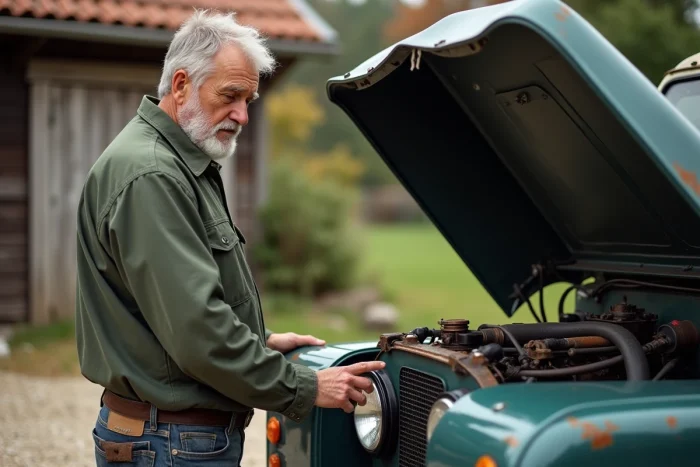
At 200,000 kilometers, the Toyota 100 HDJ no longer tolerates approximations. The first flaws, long silent, appear unexpectedly: a temperamental transfer case, an electrical harness playing hide and seek, a speed sensor going on strike. On automatic versions, the unit often reveals its age before the odometer even shows five-digit numbers, and electronic errors, insidious, come and go intermittently. Technical guides exist, but they sometimes play ghost on the web or require payment. As for diagnostic tools, some are reserved for those willing to invest. It’s impossible to improvise as a savvy handyman without a minimum of equipment, risking overlooking an anomaly that can complicate everything.
Typical breakdowns of the Toyota 100 HDJ: what user feedback reveals
Testimonials from drivers of the Toyota Land Cruiser HDJ 100 paint a nuanced but precise picture of the recurring weaknesses of this rugged vehicle. The 1HD-FTE engine, this 4.2 diesel block praised for its longevity, is not immune to injector issues. Around 200,000 kilometers, sometimes earlier, depending on maintenance or fuel quality, signs of wear become apparent. Concern rises when overheating occurs: the head gasket can fail, especially if the cooling system has not been monitored or maintained rigorously.
On the side of the A442F automatic transmission, robustness has its limits. After 300,000 kilometers, the first jolts or shifts in gear changes serve as a warning. Those who know the beast well advise closely monitoring the oil level, anticipating oil changes, and, if possible, opting for quality parts during interventions. Fuel consumption remains high: between 12 and 14 liters per 100 kilometers on the road, and sometimes double during off-road escapades. A figure that weighs heavily on both the wallet and the mechanics.
Corrosion, a true scourge for the chassis, mainly affects models exposed to humidity or salted roads. The ladder frame suffers localized attacks, often at the suspension mounting points or under the body. Versions equipped with KDSS suspension are not spared: hydraulic leaks and blockages are regularly reported. The frequent problems of the Toyota 100 HDJ deserve full attention during every inspection under the vehicle.
One point is agreed upon among knowledgeable users: the reliability of the Land Cruiser remains solid, provided that a maintenance schedule is followed, weak signals are promptly identified, and quality parts are chosen during repairs. This is the price to pay to fully enjoy its capabilities, both on and off the road.
How to quickly recognize a malfunction in the automatic transmission, electronics, or gauges?
The first warning signs on the A442F automatic transmission of the HDJ 100 are not always obvious. Here are the symptoms that should immediately draw attention:
- Light jolts during gear shifts
- Delay in upshifting or downshifting
- Feeling of hesitation during acceleration
Sometimes the transmission slips when cold, only to regain smoother operation once the engine is warm. This phenomenon, often observed beyond 300,000 kilometers, indicates advanced wear. A transmission warning light that comes on the dashboard should never be ignored: it is essential to check the level and quality of the oil without delay, lest the situation worsen.
On the electronics side, any anomaly should raise suspicion. A dashboard that flickers, displays incorrect data, or remains desperately black often indicates an internal failure. Aging connections cause cuts and malfunctions, sometimes randomly: erratic steering wheel controls, stubborn windows or mirrors, absent air conditioning. A targeted electronic diagnosis is then necessary to identify the faulty part and avoid a domino effect.
As for the gauges, they sometimes reveal more discreet failures:
- Needles that freeze unexpectedly
- Mileage that stops increasing
- Sudden disappearance of speed or engine RPM indications
On some versions, the lighting of the gauge cluster dims or even goes out completely. A thorough check of the harness and connectors becomes essential. Always cross-check your impressions at the wheel with dashboard alerts and the overall behavior of the vehicle: this is the best way to catch a problem before it settles in permanently.

Resources and methods for DIY repairs: manuals, essential tools, and practical tips
The Land Cruiser HDJ 100 promises a 4×4 ready for anything, but it requires meticulous maintenance to stay up to par. Before embarking on any operation, it is imperative to equip oneself with the workshop manual specific to this model. This valuable document details, step by step, the electrical diagrams, torque specifications, and draining procedures. Ideally, one should obtain the version tailored exactly to the engine type, 1HD-FTE or 4.2 diesel, and the vehicle configuration.
To successfully carry out common interventions, a list of tools is essential:
- Torque wrench to respect torque specifications
- Metric socket set and a set of flat and Phillips screwdrivers
- Adjustable pliers, handy for stubborn connections
- Multimeter, essential for electrical diagnostics
- Syringe or manual pump for draining the automatic transmission and differentials
The cooling system deserves careful attention: regularly check the condition of hoses and the radiator, and don’t forget a thorough purge after each intervention. As for spare parts, the range remains wide in France; it is better to prioritize original references, especially for the injection pump, injectors, or head gaskets. Chassis corrosion should be addressed at the first sign of suspicion: a wire brush, rust converter, and protective paint are your best allies. Also, remember to inspect the electrical harness, both under the hood and inside the cabin, as faulty connections are often the source of frustrating breakdowns.
Those who have maintained their HDJ 100 for years affirm: prevention makes all the difference. Engine oil change every 10,000 kilometers, checking coolant levels at each seasonal change, regular visual inspections under the vehicle to track leaks or early signs of oxidation. Preparing each intervention methodically, following the technical documentation to the letter, guarantees the Land Cruiser a long life of adventures… and saves you many cold sweats on the road.